Use these notes to help complete your biography worksheet. Do not copy word for word — use the facts to write in your own words!
Who Was He?
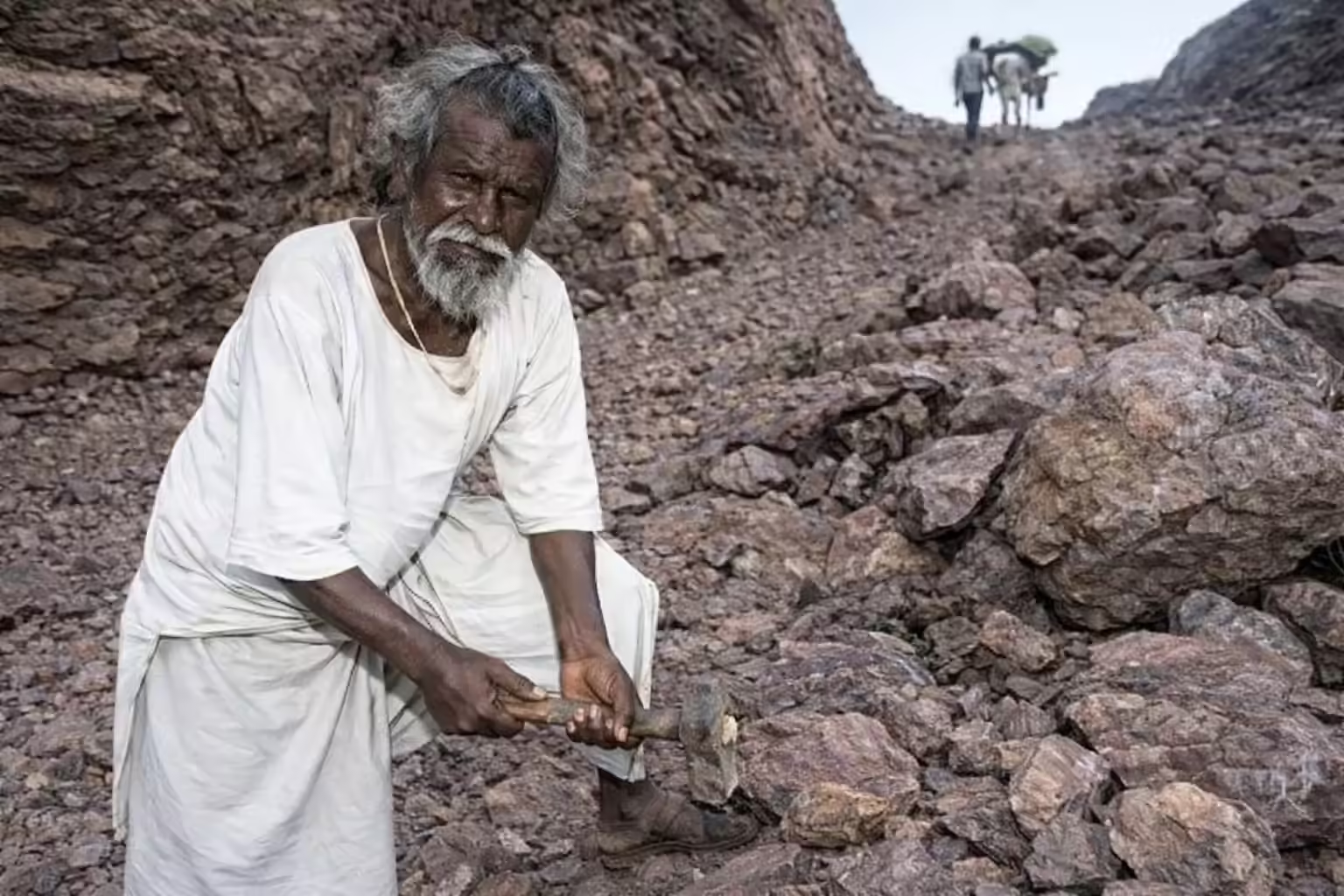
Dashrath Manjhi was a real person who lived in India. He is famous for doing something that most people said was impossible — and he did it completely by himself. He is nicknamed the “Mountain Man of India” because he carved a road through a mountain using only hand tools.
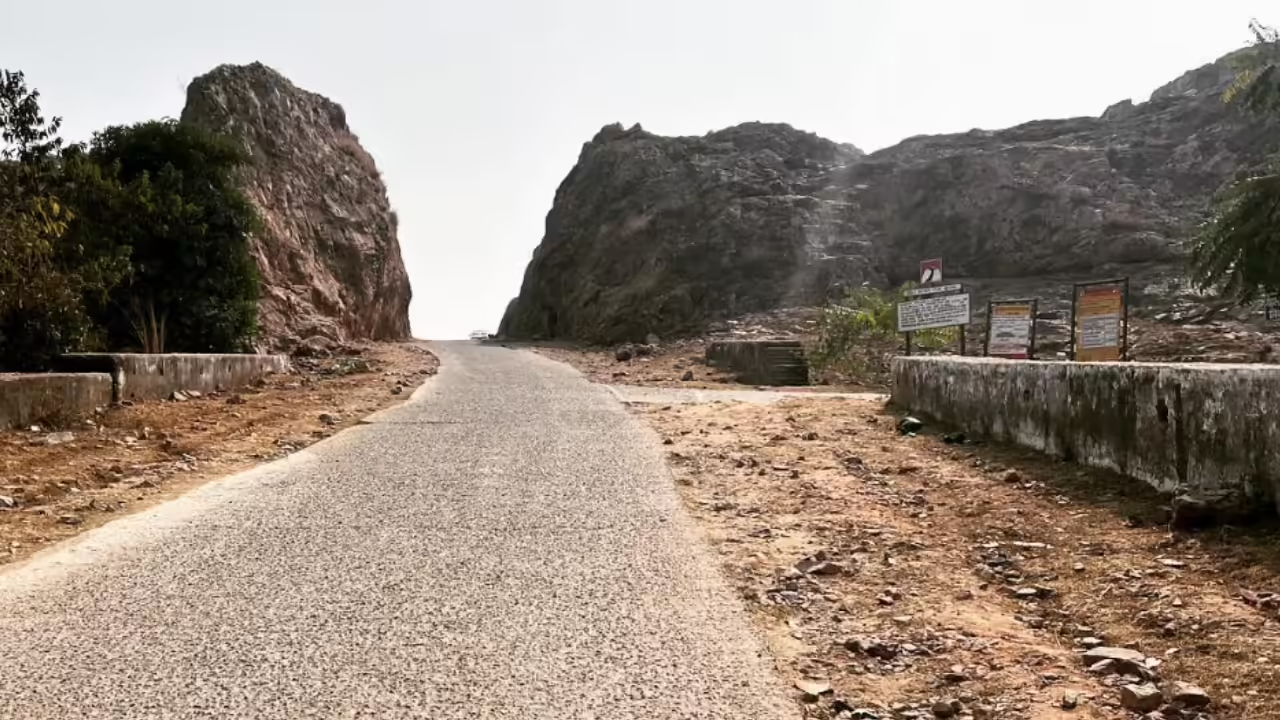
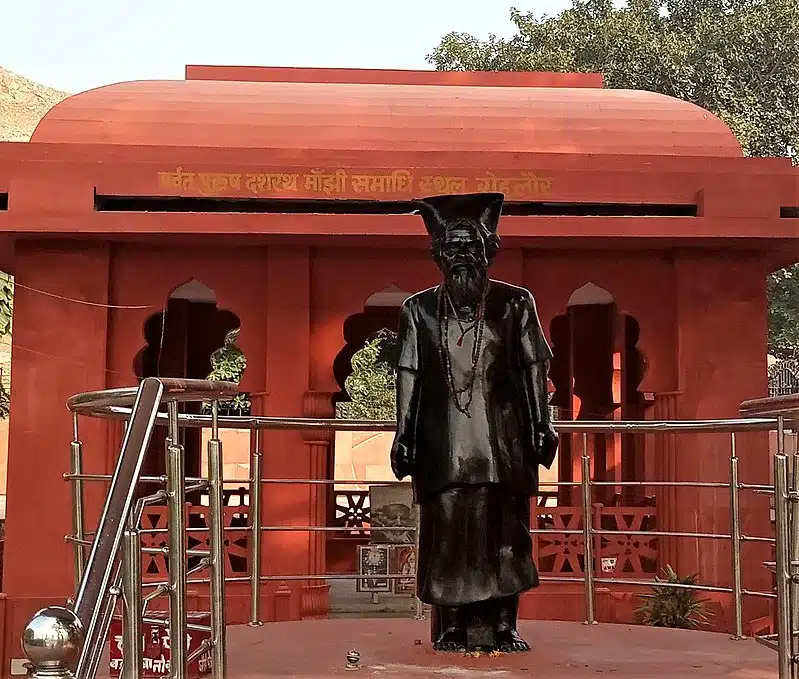
Dashrath ManjhiThe road he carved by handStatue at his memorial, Gehlaur, Bihar
Early Life
Born on January 14, 1934, in a tiny village called Gehlaur in the state of Bihar, India.
His family was very poor. They belonged to a group called the Musahar community, one of the most disadvantaged groups in India at the time.
He had no schooling — he never learned to read or write.
His village was cut off from the nearest town by a steep, rocky mountain. Getting around it meant walking over 55 kilometers (about 34 miles).
As a boy, Manjhi ran away from home to find work. He traveled to a faraway city called Dhanbad, where he worked in coal mines.
He eventually returned to Gehlaur, married a woman named Falguni Devi, and worked as a laborer on farms.
The Event That Changed His Life
In 1959, Manjhi’s wife Falguni was bringing him food while he worked on the far side of the mountain. She slipped on the dangerous rocky path and was badly hurt. Because the nearest hospital was more than 55 kilometers away, she could not get medical help in time — and she died.
Manjhi was heartbroken. He made a promise: no other family in his village would ever suffer the same way. In 1960, he sold his family’s goats to buy a hammer, a chisel, and a crowbar — and started chipping away at the mountain. Alone.
His Life’s Work
He worked for 22 years (1960–1982), chipping at solid rock every single day.
People laughed at him and called him a lunatic. He never stopped.
When finished, he had carved a road 110 meters long, 9.1 meters wide, and 7.6 meters deep — with only hand tools.
His road cut the distance to the nearest town from 55 km down to just 15 km.
For the first time, his village had easy access to a hospital, a school, and a market.
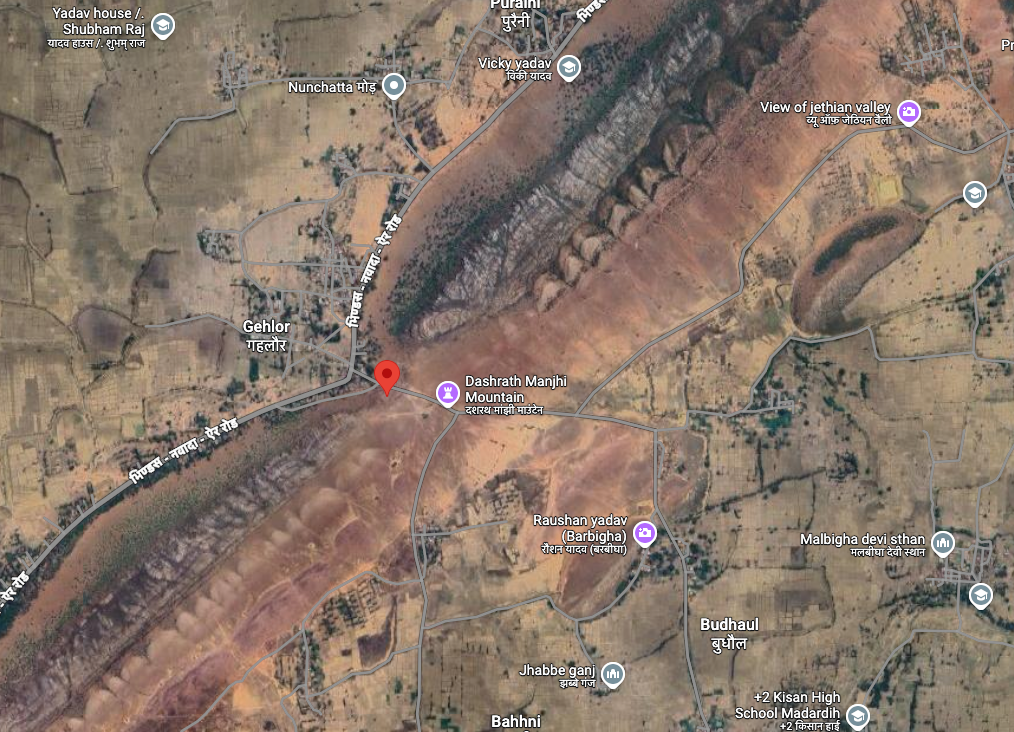
Satellite view of the Gehlour Hills (the dark rocky ridge), Bihar, India. The red pin marks the Dashrath Manjhi memorial. The narrow gap in the ridge is where he carved his road, cutting the journey to town from 55 km down to 15 km.
His Impact & Legacy
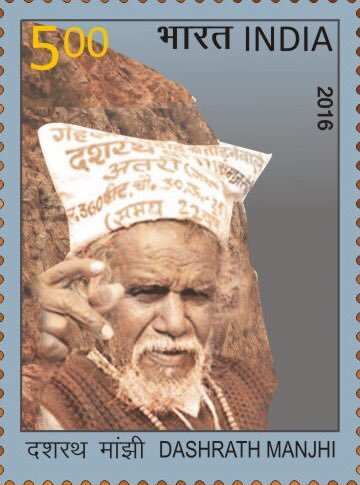
2016 India Post stamp
After finishing the road, he spent his remaining years asking the government to help poor villages like his.
In 2006, the Chief Minister of Bihar was so moved that he stood up and offered Manjhi his own chair — a rare sign of deep respect.
Manjhi died on August 17, 2007 from cancer, at age 73.
The Government of Bihar honored him with a state funeral.
The road he carved was paved and officially named the Dashrath Manjhi Path.
A hospital and a memorial were built in his village in his honor.
In 2016, India Post printed a postage stamp with his face on it.
A Bollywood movie, Manjhi: The Mountain Man (2015), told his story to the world.
Key Facts at a Glance
Full name
Dashrath Manjhi
Born
January 14, 1934
Died
August 17, 2007 (age 73)
From
Gehlaur village, Bihar, India
Married
Yes — to Falguni Devi
Profession
Laborer (farm worker and coal miner)
Nickname
“Mountain Man of India”
Known for
Carving a road through a mountain by hand over 22 years
Tools used
Hammer, chisel, crowbar
Education
None — could not read or write
Character Traits
DeterminedNever gave up, even when people laughed at him for 22 years
SelflessStarted for his wife, kept going for his whole community
HardworkingChipped at solid rock every day for more than two decades
BraveDid something no one believed was possible
HumbleNever wanted money or fame — only help for his village
LovingHis devotion to his wife and his neighbors drove everything he did
Famous Quotes
“When I started hammering the hill, people called me a lunatic, but that steeled my resolve.”
“I started this work out of love for my wife, but continued it for my people. If I did not, no one would.”
“Never depend upon God. Who knows, maybe God is depending upon you.”
“The wound is in the heart — it won’t heal until the mountain is broken.”